


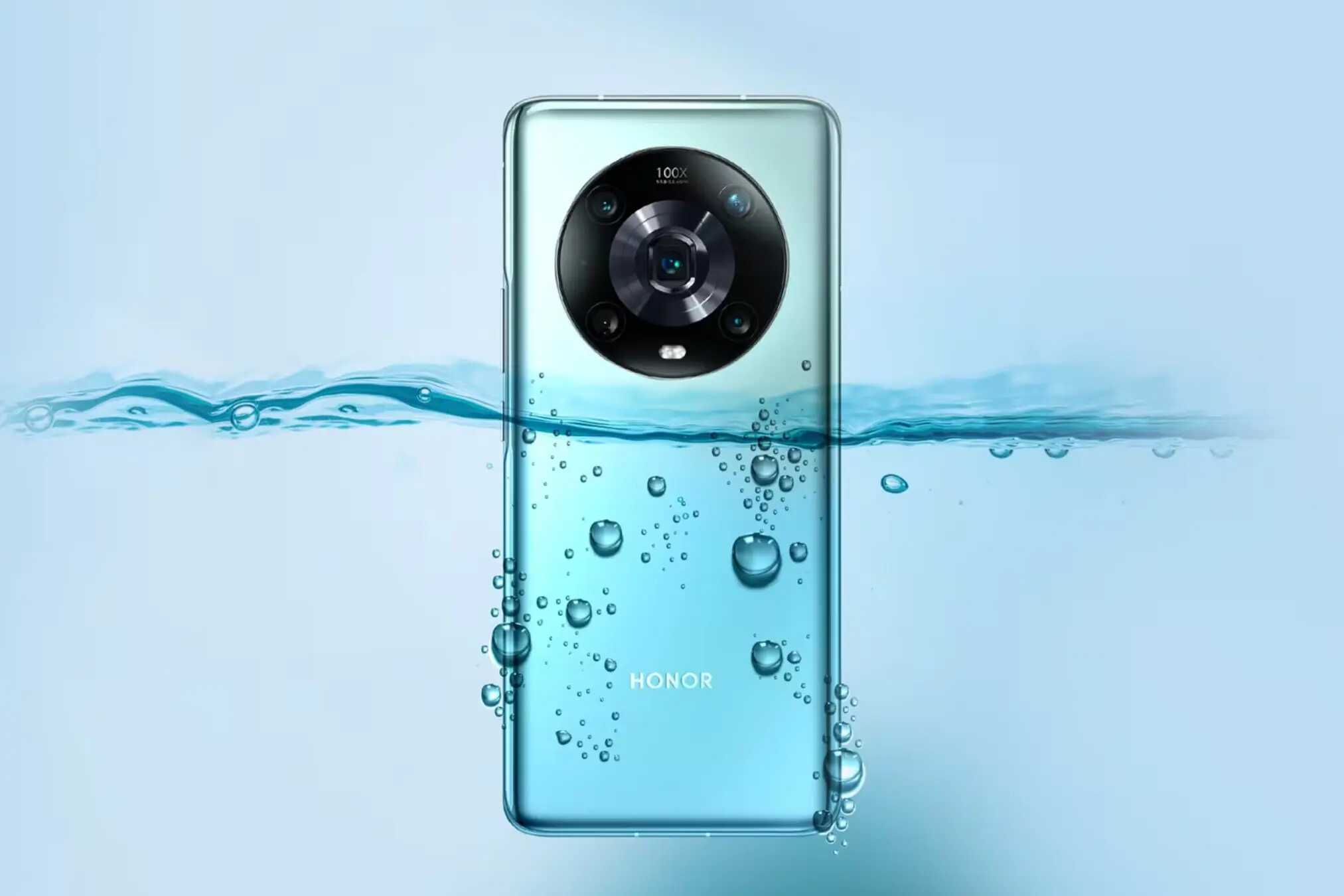
The Truth Behind Waterproof Phones: What They Can and Cannot Survive
Modern smartphones come with impressive water-resistant ratings, but many users misunderstand what their devices can and cannot handle. While these phones can survive accidental splashes or quick dunks, they are far from invincible. Understanding the real limits of water resistance can help prevent expensive waterproof phone damage that manufacturers often don’t cover under warranty.
What “Waterproof” Really Means in Smartphones
Smartphones are not technically waterproof; they are water-resistant. This distinction matters because water-resistance ratings are given under controlled laboratory conditions, not real-life situations.
IP Ratings Explained Simply
Most premium devices carry an IP67 or IP68 rating. Here’s what those numbers mean:
- 6 — Dust protection level (highest rating)
- 7 or 8 — Water resistance level
- IP67: Survives up to 1 meter for 30 minutes
- IP68: Survives beyond 1 meter, but the exact depth varies by brand
However, these results come from fresh water tests at room temperature and under zero movement—very different from real-world scenarios.
Common Situations Waterproof Phones Are Not Built For
Even with strong ratings, phones can fail when exposed to certain types of water or environments. These are the cases where waterproof phone damage is most common:
Water Conditions That Cause Trouble
- Saltwater: Corrosive and can damage internal metal components.
- Chlorinated water: Pools contain chemicals that break down seals.
- Soapy water: Detergents reduce surface tension, letting water seep in.
- High-pressure water: Showers, waterfalls, water rides or hoses can force water inside.
Physical Damage That Breaks Water Resistance
A phone may lose its water resistance long before users notice. Factors include:
- Micro-cracks in the screen or frame
- Dent marks near the camera or ports
- Wear and tear around speaker grills
- Battery swelling
- Aftermarket repairs with non-OEM parts
- Over time, due to natural seal degradation
Once any seal is compromised, even minor contact with moisture can lead to instant failure.
What Waterproof Phones Can Usually Survive
When used as intended, many water-resistant phones handle these situations well:
- Accidental spills of water, tea, or coffee
- Light rainfall
- Quick fall into freshwater (sink, tub)
- Sweat exposure during workouts
- Moisture from humidity
Still, users should avoid pushing their luck; water resistance is a safety feature, not a challenge.
What Waterproof Phones Cannot Survive
Despite marketing claims, certain exposures are far beyond the capability of even top-rated devices.
Submersion for Long Durations
Extended time underwater increases pressure and weakens the adhesive that keeps seals in place.
Deep Water Activities
- Diving
- Snorkeling
- Underwater photography beyond shallow depths
These activities often exceed the limits of IP ratings.
Hot Water or Steam
Steam molecules are tiny and can easily slip past seals, leading to condensation inside the display and motherboard.
Liquid Damage Through Ports
Charging ports, SIM trays, and speaker holes are common entry points for moisture. Even a small droplet inside the charging port can trigger corrosion within hours.
How to Avoid Waterproof Phone Damage
Practical steps can significantly reduce risk.
Smart Habits to Protect Your Device
- Keep the device away from pools, beaches, and showers.
- Avoid using the phone with wet hands.
- Never press buttons while underwater—this can force liquid in.
- Remove phone cases after exposure and dry the device thoroughly.
- Replace worn-out seals if your manufacturer offers maintenance checks.
- Use a waterproof pouch for beach trips or water sports.
A little caution goes a long way toward preventing liquid-related failures.
Signs Your “Waterproof” Phone Has Already Suffered Damage
Users often miss early warning signs. Here are indicators that moisture has entered the device:
- Fogging or condensation under the camera lens
- Muffled speaker sound
- Charging issues or “Moisture Detected” alerts
- Random restarts
- Overheating
- Display discoloration or flickering
If you spot any of these symptoms, avoid charging immediately and get professional help.
Frequently Asked Questions
- 1. Can a waterproof phone survive saltwater?
- No. Saltwater causes rapid corrosion and is one of the biggest threats to water-resistant devices.
- 2. Do manufacturers cover water damage under warranty?
- Most brands do not. They include liquid damage indicators inside the device, which turn red when moisture enters.
- 3. Is it safe to take photos underwater with an IP68 phone?
- Only for very shallow depths and very short durations but it’s still risky. Pressure changes can push liquid inside.
- 4. How long does water resistance last?
- Seals weaken over time. After 1–2 years, phones are far less resistant than when new.
- 5. What should I do if my waterproof phone gets wet?
- Turn it off, gently wipe it, remove the SIM tray, and let it air-dry. Do not use heat or try charging immediately.
Conclusion
Water-resistant smartphones are designed to protect users from accidents, not water adventures. Misunderstanding their limits often leads to preventable waterproof phone damage that can permanently affect performance. Being aware of the realities behind IP ratings helps users make smarter choices and extend the life of their devices.
For professional diagnosis, liquid damage repair, or quick device recovery,GoFix offers reliable service with expert technicians who handle moisture-related failures with precision and care.